
Solo Ageing
(Part 1)
By Sumedha Mona Khanna
“Solo is much more than just a state of mind”
Lori Martinek
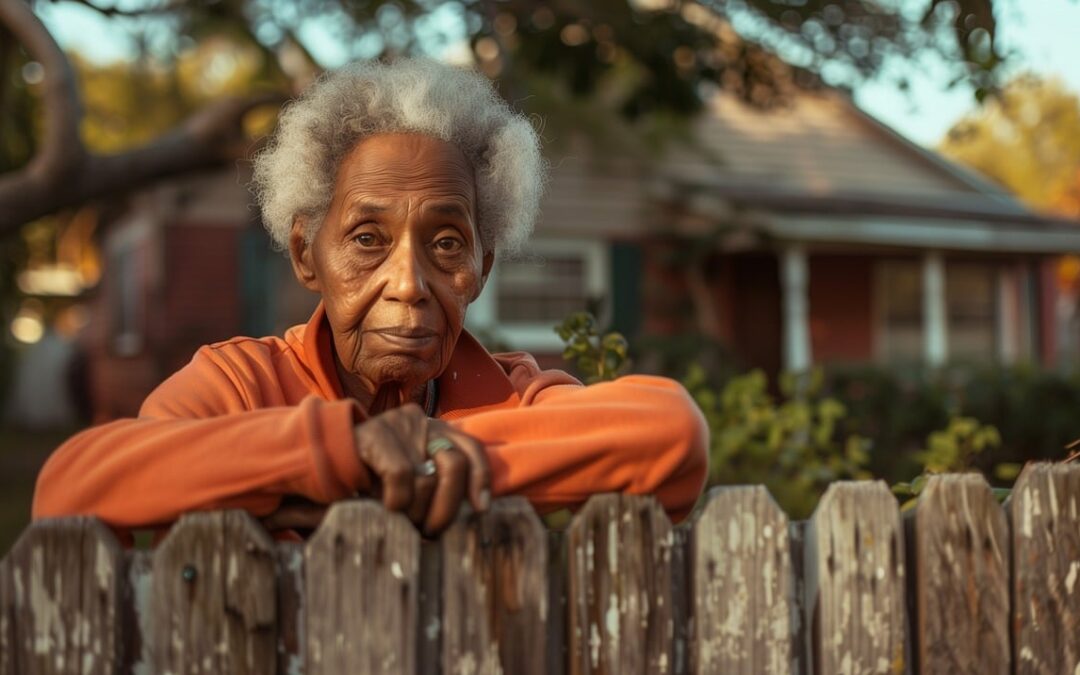
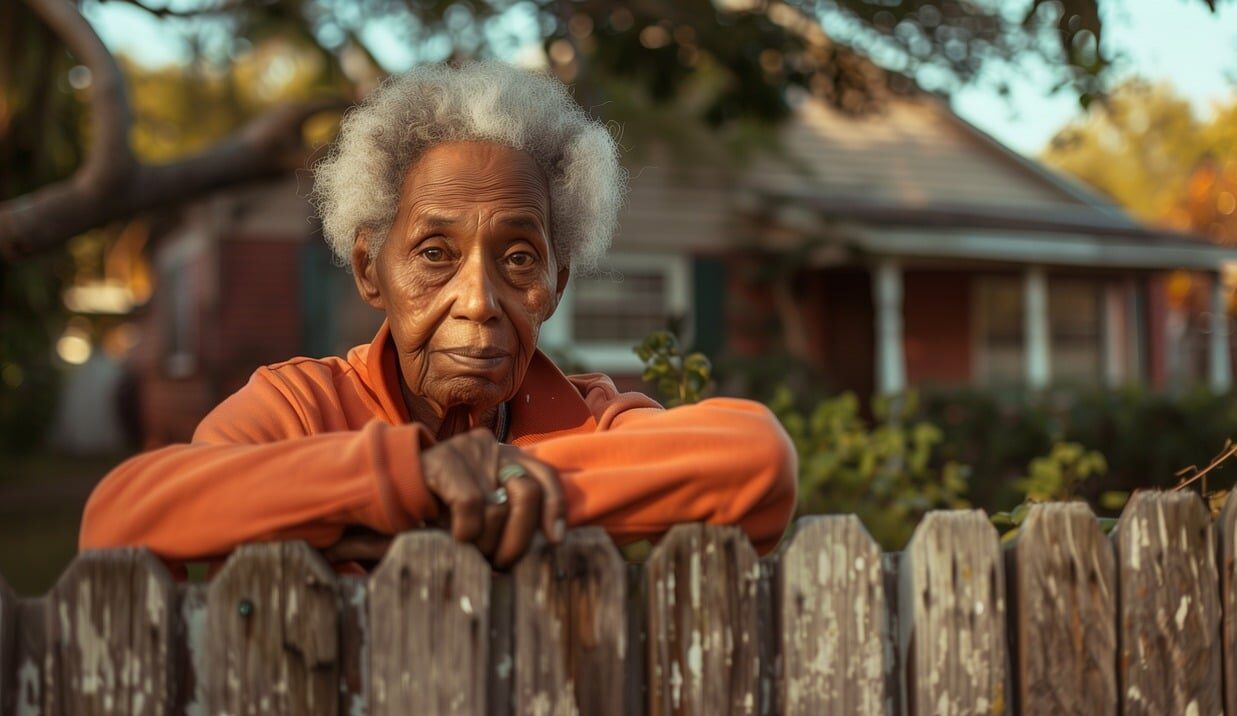
It has been said that as a nation, the United States is becoming increasingly solo and decidedly more solo-minded. For the first time in US history, the number of American singles outnumbers the number of couples. Perspectives on why people remain solo are often a reflection of age. Retirement, perhaps even mid-life, is the time when solo begins to surface. Many people, especially women, do not wish to remarry after a certain age. People are also living longer and staying healthier for more of their lives. More adults are choosing to live solo while creating some connections around themselves.
What is Solo Ageing?
There are many books and writings about Solo Ageing. Most of the books write about retirement for seniors when they are ageing alone either by choice or by circumstances. They give guides about how to manage health, finances, relationships, and generally living as seniors. This is not surprising as the number of people in the United States living alone for the first time in history has increased and outnumbered those living as couples.
But what does the term Solo mean? It does not equate to being alone.
Solo means one. As a noun, it is something done by one person, unaccompanied. As a verb, it means to accomplish something on your own. Solo does not mean alone, isolated, or lonely. What does it mean to be solo these days? Solo is not the sane as single. The word single generally implies ‘not married’. Solo is sometimes equated with aloneness. ‘Aloneness’ is not the same as ‘loneliness’. Some view it as an opportunity for further growth and may be even transformational.
In her book Solo-Retiring, Lori Martinek describes Solo as encompassing several categories:
• Solo by Choice – applied to long-term solos who have made a conscious decision to be solo and are happy with their choice.
• Solo by Circumstances – includes people who may be solo due to career or education demands, family responsibilities, or sexual preference. Some of these people may plan to ‘partner’ with someone else at some future point.
• Solo by Chance – includes people who may be reluctantly solo – they might be divorced, widowed, or never married. They might be searching for a suitable partner to be with. They might learn to live solo for a while but hope that it wouldn’t last forever.
• Suddenly Solo – includes people who have lost a partner or spouse due to death, divorce, or break-up. It can be a difficult situation to navigate especially when it is not planned. This is the category on which I would like to focus this article. I feel that if one finds oneself in this situation after a long period of partnership with someone else, one has to ‘learn to live solo’. This can be especially challenging during one’s older years. I am calling this Solo Ageing. Challenges of Solo Ageing I divide these into five main categories:
• Financial Management and Security till the end of life
• Good Health and Wellbeing to Function Independently
• Finding Meaning and Purpose in Life
• Maintaining/Creating Key Relationships and A Strong Social Network
• Ageing in Place for as Long as Possible
All of these situations contribute to happiness and satisfaction in life. Life can change in one’s later years, sometimes unexpectedly. Many variables must be considered when reviewing challenges and the actions one undertakes in any of these categories. Some might be able to avoid or successfully manage these situations, while for others it may not be easy, and they may need support. It is important to take these variables into consideration when making decisions, no matter how emotional they might be.
1. Financial Management and Security
This is probably the most important and difficult challenge, especially when one has been with a partner for a long time and suddenly finds oneself alone. As the finances are usually managed jointly, often the men have a stronger and clearer control and idea about the finances, especially if the spouse has not been working and is financially dependent. In recent years, this situation has been changing. Life expectancy for women is generally longer than for men, and it is often the woman who is left behind; or the man may have moved on to a younger woman. So, she is left as an ageing older woman often not wanting to form another relationship. She might not have skills to manage her finances alone, and sometimes she might not even know her financial status. Fortunately, as more women are educated and working outside the home, and some may even be much younger than their spouses, this situation is changing.
What are some of the challenges in this regard?
1. Knowing one’s net worth.
2. Being aware of what income streams will be available. (Pension – for oneself and one’s spouse; one’s salary if still working; regular returns from some investments, etc.).
3. Realizing what are one’s joint investments, such as bonds, security deposits, and other investment streams.
4. Disentangling one’s finances, including bank accounts, credit cards accounts, investment accounts, etc. This may involve having to change the accounts into one’s own name only.
5. Reviewing one’s spouse’s/partner’s will or trust or a joint will or trust. This will require careful review and changes as needed. For this task one needs a good attorney who is reliable and with whom it is easy to communicate (not easy – but go with a good recommendation).
Depending on one’s situation, these challenges may be different or complex. It is amazing and often surprising how long this process can take; it requires a lot of careful attention to details, especially if one has no children. I have noted that inheritance creates expectations and often distrust among one’s children. The situation can get even more complex if there are children from a previous marriage. It is therefore better to engage an independent person, such as an attorney or a well-meaning and reliable friend. The most important consideration is that one be financially secure until the end of one’s life, no matter how long that might be.
2. Good Health and Wellbeing for Independent Living
By 2015, life expectancy in the United States had increased to around 77 years for men and over 80 for women. Medical science has found numerous ways to keep one alive even after a stroke, a heart attack, or cancer, well beyond the event that would have been fatal in previous years. Many may expect to live well into one’s eighties or even nineties, desiring to be fit, mobile, and healthy. For those people without children, staying fit and mobile takes even more critical attention to face the challenge of continuing to be independent for as long as possible. It is important to be physically active, maintain a healthy weight, and perhaps even change one’s lifestyle. Solo Agers must pay special attention to their physical and mental wellbeing, as often the grief of losing a life partner can create inertia and general lack of interest in life.
Movement
Ageing can slow one down, often causing loss of interest in physical exercise even when one is reasonably fit. It is very important to find an exercise routine that one likes and can incorporate into daily life. Often one starts an exercise routine enthusiastically and aggressively but then loses interest and does not follow it regularly. It is better to find a simpler but interesting exercise routine and follow it regularly. It is important to make a commitment for a daily workout. Find a buddy or a convenient fitness class especially for seniors in the neighborhood. Often simple energy balancing and lifting exercises such as Qigong can be helpful in maintaining a daily movement routine.
Nutrition and Diet
Solo ageing often leads to overeating, eating irregularly, or not eating well. Grief can reduce one’s appetite and over time leads to a lack of interest in both cooking and eating well. It takes a conscious effort to eat well regularly and healthily. One’s desire for solo-cooking declines. I know that well, as mine did. So often just to deal with hunger one might tend to eat whatever satisfies the urge at that time. It takes time to make the shift from cooking for two to just for one. This is even more difficult for men, especially if they have not engaged in cooking earlier in life (this is the situation with most married men). It is important to cook what one likes and find healthy recipes. Experiment with some new healthy recipes with a buddy.
These days of online deliveries of food can be a challenge, especially if one can afford it. But this also gives one an opportunity to find food delivery options for healthier and balanced meals. Avoid weight gain as much as possible, since we know that excess weight often is a precursor to many chronic health conditions, such as type 2 diabetes, high blood pressure, and arthritis.
Physical Check-ups and Fall Avoidance
It is important to maintain active connection with one’s primary care practitioner. Get a physical check-up at least every year and take necessary preventive measures. Older adults are more vulnerable to health conditions such as type 2 diabetes, hypertension, respiratory illnesses, and arthritis. Many of these conditions can be avoided or at least kept in check through regular health check-ups and health maintenance practices mentioned earlier.
Avoiding falls at older age is extremely important. One can have one’s home examined by a mobility expert who can identify potential fall risks in the home and help make the required changes.
One must pay attention to one’s mental health. Good sleep is a prerequisite for that, but unfortunately sleep difficulty is one of the more common conditions one encounters in getting older and especially when one lives alone. There are many sleep experts, but eventually the answers lie within each person. That means avoiding stress – finding time to rest and relax, connecting with like-minded friends, reading, and listening to pleasant music. It is important to learn to say No to things and people who do not contribute to one’s wellbeing. This is perhaps one of the most difficult things to do for many people.
Maintaining good physical and mental health can be challenging for Solo Agers since it requires a conscious effort to almost redefine oneself, one’s needs and wants, and a sustained desire to stay well and healthy. It is important to connect with like-minded friends who can encourage one and be interested in one’s wellbeing. One might literally have to rediscover oneself and make a conscious decision to change the way one takes care of oneself, to lighten one’s load and allow for some pleasure and quiet time. Give the self-permission to be happy. There is no guilt in that.
Note: (Part 2 of this article will appear in the June AFSM newsletter and will continue to address other challenges).
First published in The Association of Former PAHO/STAFF Members, VOL.XXXIII, No. 1, March 2022
Recent Comments